To the pit lane00:52
The Window 02
Fifty-Two Seconds
Lap 54 of the 2019 Brazilian Grand Prix. Max Verstappen leads Lewis Hamilton by 1.26 seconds when the safety car comes out, and the pit lane is about fifty-two seconds away.
The player comes from YouTube, which then receives your IP address and may store data in your browser. Nothing loads until you press the button. Press play in the player to start the film.
Should Red Bull give up the lead on purpose?
- Running time
- 9:22
- Sources
- 17
- Narration
- AI voice
- Published
00:52
Safety car. Max Verstappen leads Lewis Hamilton by 1.26 seconds, both on medium tyres.
15:18:44 local time, lap 54 of 71. FIA race control, Formula 1 timing data. From here on, the clock does not run in real time.
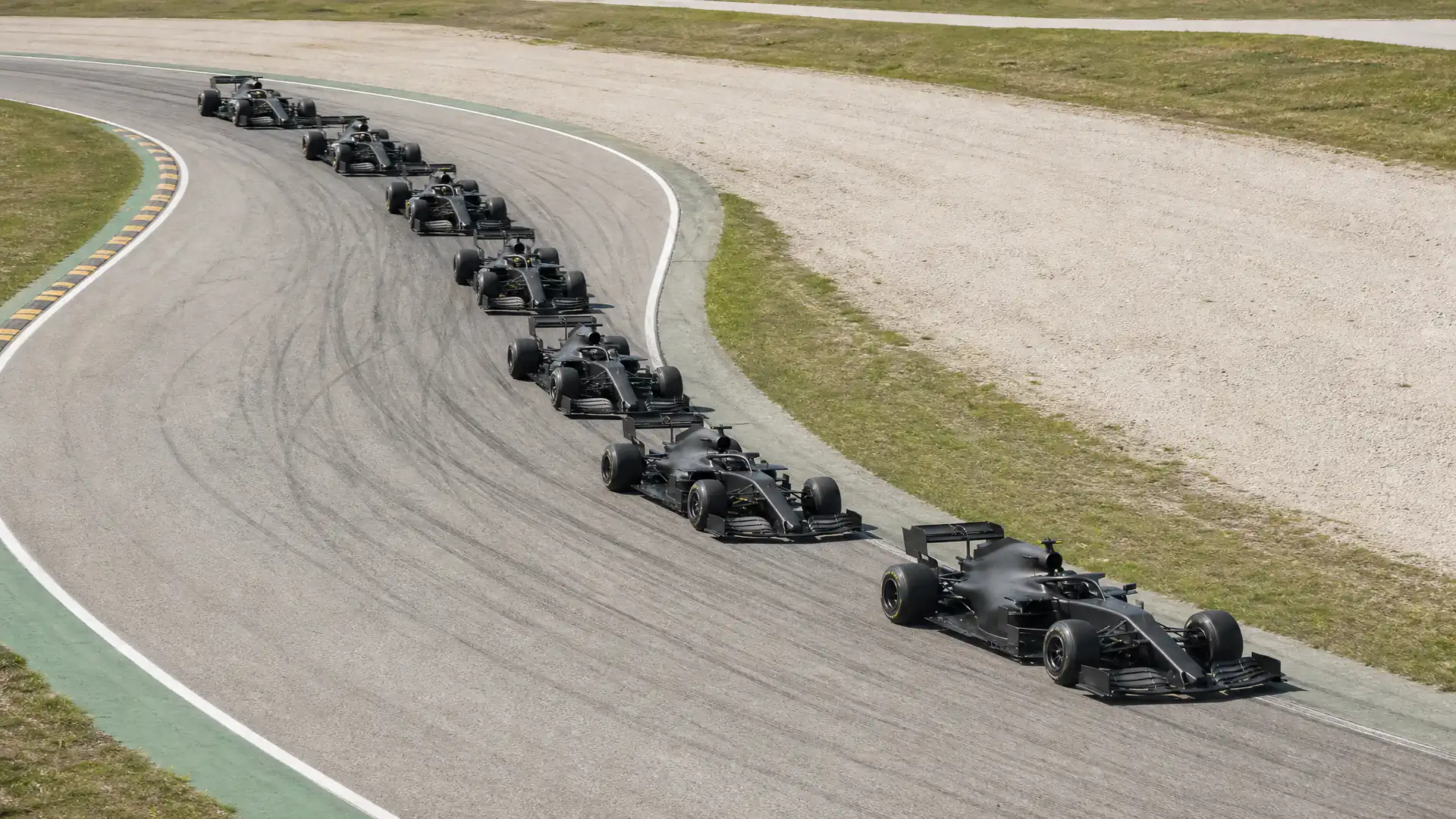
00:46
Behind a safety car the field closes up into a queue. A stop then costs only the places lost while the car is in the pit lane.
Formula 1 timing data, own calculation
00:40
Sebastian Vettel is third, twenty-one seconds back. A stop would cost Hamilton nothing. It would cost Verstappen the lead.
End of lap 53. FIA race history chart
00:34
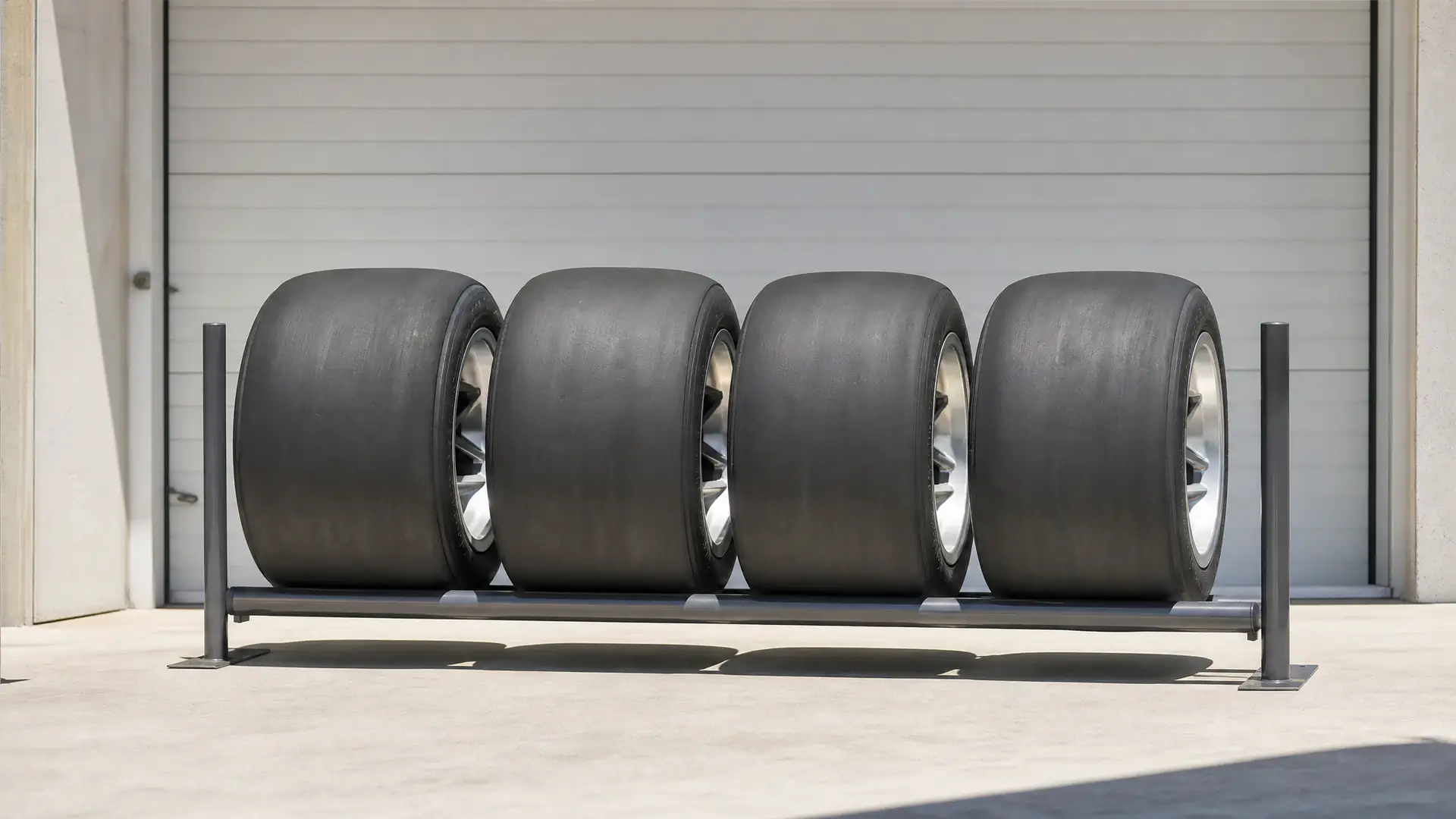
In both garages there is a used set of softs, softer and younger than the mediums on the cars.
Pirelli, race report, 17 Nov 2019. Formula 1 timing data
00:28
The leader has to choose first. Whatever he does, the car behind can do the opposite.
Christian Horner, Motorsport.com, 18 Nov 2019
00:22
Staying out looks like the safe road. In 53 laps, outside the pit stops, neither car has been within a second of the other at the line.
Formula 1 timing data
00:16
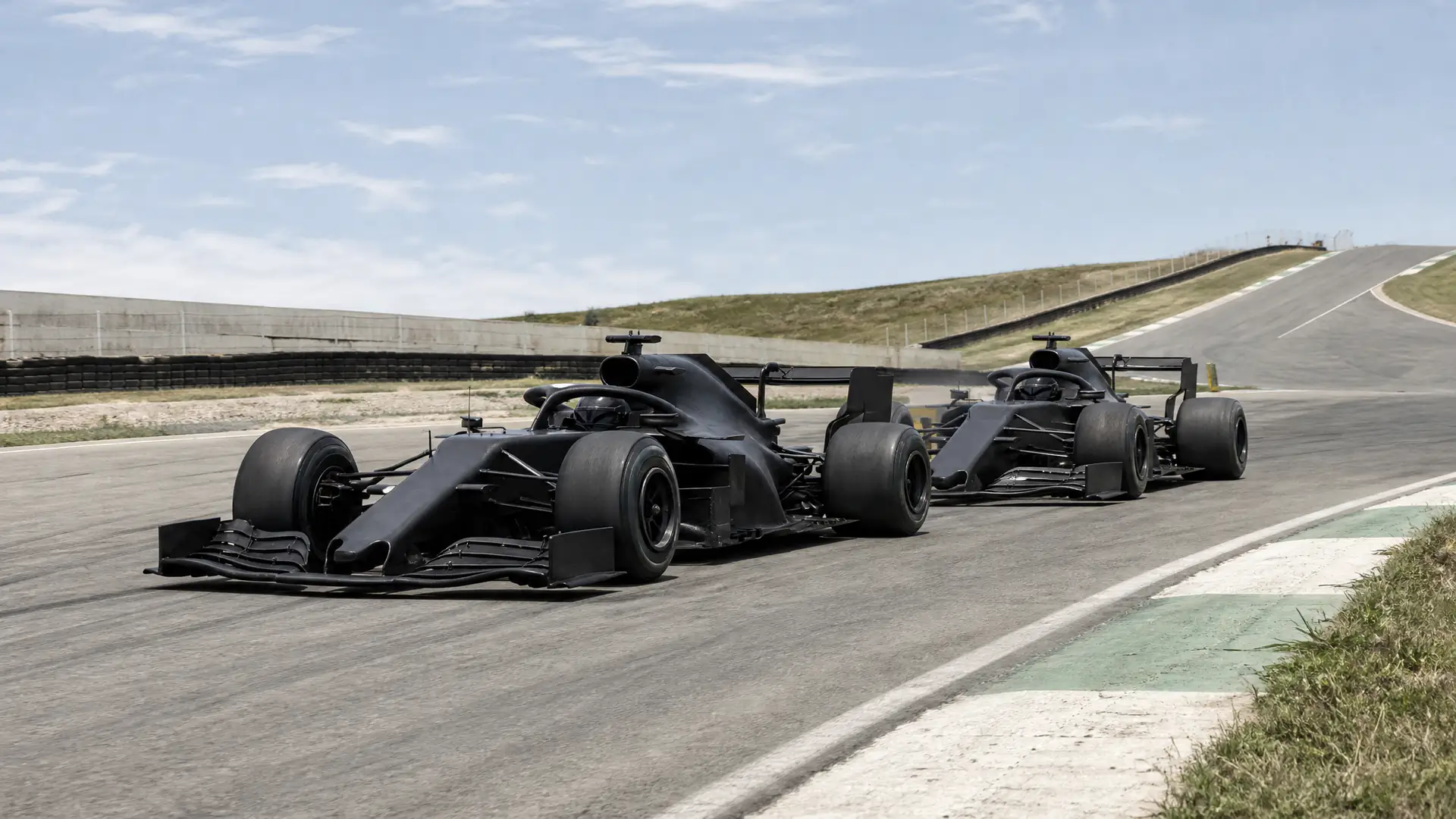
Stopping means passing Hamilton on the track. After a safety car, DRS stays off for two laps.
2019 Sporting Regulations, Article 21.5
00:10
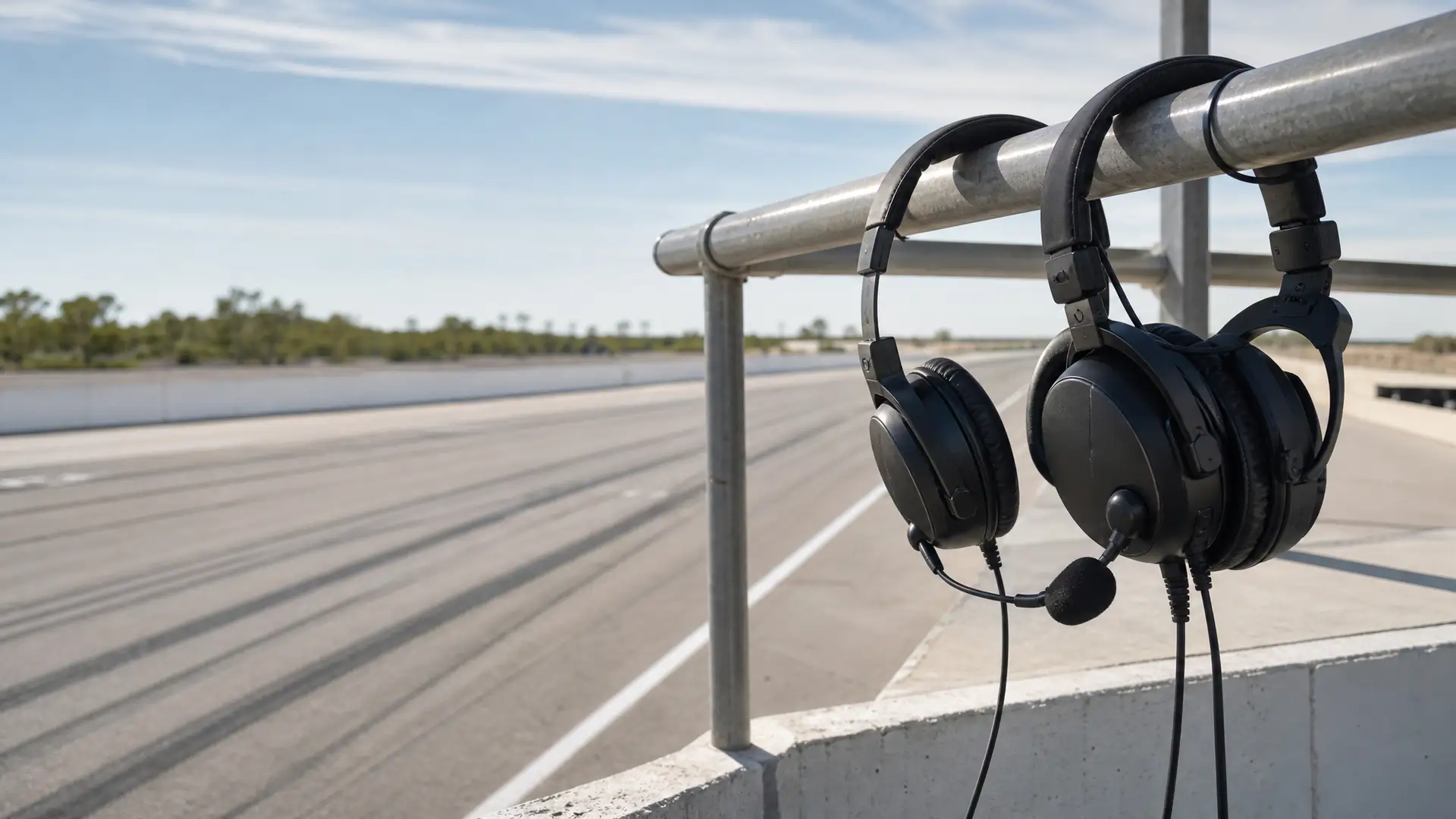
On the Red Bull pit wall, they had talked about this moment before it came.
Hannah Schmitz, Females in Motorsport, 4 Nov 2023, and Red Bull Racing, Fasterclass, 3 Nov 2026
00:05
The pit lane is getting closer.
The clock counts to the pit lane. It does not run in real time.
Watch on YouTube
From here on, this page gives the ending.
The film in brief
- On lap 54 of the 2019 Brazilian Grand Prix, Max Verstappen led Lewis Hamilton by 1.26 seconds, both on medium tyres, when the safety car came out at 15:18:44 local time for Valtteri Bottas's stopped car.
- Behind a safety car a stop costs only the places lost in the pit lane. With Sebastian Vettel twenty-one seconds back in third, a stop would cost Hamilton nothing and Verstappen the lead. Mercedes told Hamilton to do the opposite of Verstappen, GrandPrix.com reported.
- Christian Horner, then the team principal, said strategist Hannah Schmitz recommended the stop and the team made it. In a Red Bull film in 2026 she said she gave that recommendation at the double yellow, before the safety car came out. Verstappen came in for a used set of softs, rejoined about fourteen seconds behind Hamilton, and passed him around the outside through the first two corners at the restart on lap 60, without DRS.
- Staying out had a case. In 53 laps, outside the pit stops, neither leader got within a second of the other at the line, and from the end of lap 60 to lap 65 the top nine did not change, with younger tyres behind. What would have happened had Red Bull stayed out is a sum, not a fact.
- A second safety car on lap 66 erased Verstappen's margin of 3.78 seconds, but not his place. Hamilton stopped, expecting to lose one place, and lost two. Verstappen won by 6.077 seconds ahead of Pierre Gasly, and Horner sent Schmitz up for the constructors' trophy.
Hero of the window
Hannah Schmitz
Recommended giving up the lead with 17 laps to go. Verstappen won by six seconds.
A lead looks like something to protect. Behind a safety car, it is something to spend.
What this film does not say
- That anyone had fifty-two seconds to decide. The clock counts from the safety car message to the pit lane, and does not run in real time. Hannah Schmitz said in 2026 that she gave her recommendation at the double yellow, before the safety car came out. When Verstappen heard it, no source records.
- That she decided alone, or gave an order. Christian Horner said she made the recommendation and the team followed it. Who had the last word, no source says.
- That the stop won the race, as this film's verdict. Verstappen said the stop for softs gave them the win. What would have happened had Red Bull stayed out is a sum, not a fact, and the second safety car on lap 66 ends even the sum.
- That the softs caused the pass. The car data show the speeds at the line, 313 against 295 km/h, not the reason. Verstappen named the tow, and both drivers named the Red Bull's speed on the straights.
- That a soft was faster or slower than a medium of the same age on that day. On Friday, Pirelli put the gap between soft and medium at about half a second, on a track more than twenty degrees cooler. The race data do not settle it, so the film says only that the set was used, softer and younger.
- That Mercedes got the first window wrong. Horner said the car behind will only do the opposite, and that is what Mercedes told Hamilton. James Allison's own words about lap 66 are the only verdict in this film.
- Team radio, word for word. The film quotes only what written sources report.
Transcript
Safety car on lap 54: give up the lead?
Safety car deployed.
Brazil, 2019. Lap fifty-four of seventy-one. Max Verstappen leads. Lewis Hamilton is one and a quarter seconds behind him, on the same tyres.
At that moment, the pit lane is about fifty-two seconds away.
Should the leader of a Grand Prix give up the lead on purpose?
Verstappen and Hamilton: 1.26 seconds apart
It has been a duel all afternoon. Twice, Mercedes stopped Hamilton first. Twice, Verstappen ended up back in front.
Now they are both on medium tyres, nine and ten laps old. In fifty-three laps, outside the pit stops, neither car has been within a second of the other at the line.
Then the other Mercedes stops. Valtteri Bottas loses power and comes to a halt before turn four. The leaders go past the pit entry with no safety car out. Half a lap later, it comes.
Sebastian Vettel is third, twenty-one seconds back.
What a stop costs behind a safety car
At racing speed, a stop here costs about twenty-one seconds. Behind a safety car, the field closes up into a queue, and a pit stop costs only the places lost while the car is in the pit lane.
So the price is easy to read. If Hamilton stops, it costs him nothing. He comes back second. If Verstappen stops, it costs him one place.
The first one.
And in both garages there is a used set of softs, softer and younger than the mediums on the cars, for the seventeen laps that are left.
Stay out or stop: two roads
Christian Horner, then the team principal, called it a game of chess. As the leader, he said, the car behind will only do the opposite.
So there are two roads. Stay out and keep the lead. Then Hamilton stops for free, and comes back right behind Verstappen on younger tyres, with seventeen laps to catch him.
In this afternoon's timing, that looks like the safe road. Verstappen's mediums would be twenty-seven laps old at the flag. Grosjean, in seventh, is on a set that old right now. The only pass between the leaders came on lap twenty-three, with a tow and DRS open.
Or stop, and take the softs. Then Hamilton stays out and takes the lead, and Verstappen has to pass him on the track to get it back. After a safety car, DRS stays off for two laps. And the leader sets the pace until the race starts again.
One car will have the position. The other will have the younger tyres. So both roads come down to one question. Can younger tyres get past at Interlagos? If they can, staying out loses the lead anyway. If they cannot, stopping loses it for good.
The leader has to choose first.
Horner called it the horrible decision.
Hannah Schmitz on the pit wall
The person who says stop is not the driver, and not the team principal.
Her name is Hannah Schmitz. She is Red Bull's senior strategy engineer, ten years at the team.
Usually, she said, a team knows what it will do in a safety car before one comes out. This one was a grey area. They had been talking about it, and no one had committed either way.
In her own account, she was the one who ended that.
Right, she says. I think we should pit.
Almost seven years later, in a Red Bull film, she gives the moment. It was at the double yellow, before the safety car came out. She recommended pitting if there was a safety car. Horner put it in one line. She made the recommendation, so they did it.
The pit entry
Before the cars reach the pit entry, Mercedes tell Hamilton to do the opposite of Verstappen.
Verstappen turns in. Hamilton goes straight past.
Earlier this afternoon, in this same pit lane, Verstappen had to swerve towards the wall to miss Robert Kubica. He said the car almost stalled.
This time nothing goes wrong. Twenty-two and a half seconds in the pit lane. Softs on. He comes back about fourteen seconds behind Hamilton and about fourteen ahead of Vettel. One place lost, exactly as priced.
Hamilton leads the Brazilian Grand Prix with seventeen laps to go.
The safety car stays out for five laps, and the queue closes up. The time Verstappen lost in the pits comes back.
That was the bet. Horner said you have to be confident you can make the pass on the track. Verstappen said later that at the time, he was not sure it would work.
A sum from the timing, done afterwards, shows how short that window is. At first the younger tyres are worth two thirds of a second a lap. Four laps later, less than a fifth.
The restart
Hamilton has the restart, on mediums sixteen laps old. He slows the queue to about forty kilometres an hour. Then he goes.
Seven seconds before the line, both cars are flat out and Verstappen is about twenty-four metres behind. There is no DRS. Verstappen said later he had a good tow.
Twenty metres. Fifteen. At the line, ten.
The car data has Hamilton at two hundred and ninety-five kilometres an hour, and Verstappen at three hundred and thirteen.
Around the outside, through the first two corners, the lead is his again.
He has given it up for five laps behind a safety car, and five hundred metres of racing.
Younger tyres behind the leaders
Now look behind him. Charles Leclerc is on softs seven laps younger than Sebastian Vettel's, in the same car. For six laps he sits within a second, and stays behind.
Alex Albon, in the other Red Bull, is on softs four laps younger than Hamilton's mediums. The gap between them grows. From the end of lap sixty to lap sixty-five, nothing changes in the top nine.
The data cannot say what the softs added to the pass. Verstappen said the tyre advantage helped him stay in front, and both drivers named the Red Bull's speed on the straights. But in those six laps at the front, younger tyres alone got nobody else through.
What if Red Bull had stayed out? Mercedes' order says Hamilton stops. He comes back second, on softs, right behind a Red Bull on old mediums.
That is a sum, not a fact. And it does not say Red Bull had to stop. In eight laps on equal tyres, Hamilton never got closer than one and a quarter seconds at the line. On that afternoon's evidence, Verstappen might have held him to the flag.
And the sum ends on lap sixty-six, because nobody on any pit wall knew what was coming.
Lap 66
Leclerc gets past Vettel at last, Vettel comes back at him, and the two Ferraris collide. A second safety car, and a second queue. Nearly four seconds of lead, six laps of work, is gone.
What the queue cannot take is the position.
Now Mercedes hold the same card. Hamilton is second, on old mediums. They offer him a stop, he takes it, and he expects it to cost one place. The price Red Bull paid. It costs two. James Allison, the technical director, said they miscalculated. The plan, he said, was a quick pass of Alex Albon, then a go at Verstappen.
Same pit lane, same question, twelve laps apart.
Verstappen stays out, and wins the Brazilian Grand Prix by six seconds. He said the stop for softs gave them the win.
After the flag
A winning team sends one person up to collect the constructors' trophy. Horner sent Hannah Schmitz. He said it was right to reward her.
It is the first time many Formula One fans see her face. She said she was trying to take it in. She had just come back to work after having her first child. It was a big thing, she said, to prove she was still here and could do the job well.
The window closes
Schmitz has said the hardest part of the job is a decision with no right or wrong answer. After the race, she said, the right answer is very clear. At the time, there is only the pit entry, getting closer.
A lead looks like something to protect. Behind a safety car, it is something to spend.
Sources (17)
- FIA documents, including the race history chart, the pit stop summary and Documents 34, 38, 40 and 44
- FIA 2019 Sporting Regulations
- FIA press conference, 17 Nov 2019
- Formula 1 timing data, car telemetry and FIA race control messages, own calculation
- Pirelli, race report, 17 Nov 2019
- Formula1.com, What the teams said, 17 Nov 2019
- Formula1.com, Horner, 17 Nov 2019
- Formula1.com, James Allison, 18 Nov 2019
- Motorsport.com, Horner, 18 Nov 2019
- Motorsport.com, race report, 17 Nov 2019
- GrandPrix.com, race analysis, 17 Nov 2019
- AFP via Onmanorama, 18 Nov 2019
- Females in Motorsport, Hannah Schmitz, 4 Nov 2023
- Paddock Magazine, Hannah Schmitz, 9 Jun 2022
- Red Bull Racing, Who is Hannah Schmitz?, 23 Feb 2026
- Red Bull Racing, Fasterclass with Hannah Schmitz, 3 Nov 2026
- Track: © OpenStreetMap contributors
Credits and corrections
Direction and editorial responsibility: Paul Veth. Published by Entistar B.V.
AI drawings of the car, and the car in the AI scenes, after a photo by Interceptor73 (CC BY 2.0, adapted): commons.wikimedia.org

Engravings after Wikimedia Commons photos, adapted: Hannah Schmitz by Governo do Estado de São Paulo (CC BY 2.0): commons.wikimedia.org

Christian Horner by Ben Sutherland (CC BY 2.0): commons.wikimedia.org

Narrated by an AI voice. Some scenes, the drawings of the car, the music and the sound effects are AI-generated; the charts and documents are built from the sources above.
Max Verstappen by Steffen Prößdorf (CC BY-SA 4.0, engraving under the same licence): commons.wikimedia.org

Lewis Hamilton by Marina Ramos/Câmara dos Deputados (CC BY 3.0, engraving, adapted): commons.wikimedia.org

Series opening: car after a photo by Jen Ross (CC BY 2.0, adapted): commons.wikimedia.org

Licences: creativecommons.org creativecommons.org creativecommons.org
Corrections: none so far. If you find an error, write to [email protected].
Get the next file by email
One email when a new file opens, with one detail from the dossier that did not make the film.
The latest file
The Ticket
Who got the better deal: the ten teams that were paid, or the newcomer that paid them?